Jujutsu Kaisen's Cultural Legacy: Six Years That Changed Manga and Anime Forever
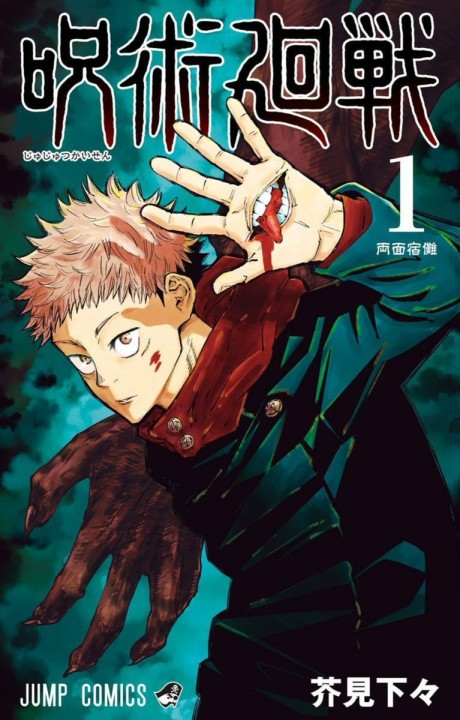
Jujutsu Kaisen ran from March 2018 to September 2024 — 270 chapters, four major arcs, and an anime adaptation that became one of the highest-rated productions in the medium's history. It is finished now. And the manga industry it left behind is visibly different from the one it entered.
What Jujutsu Kaisen Changed
When JJK debuted in Weekly Shonen Jump, the shonen landscape was entering a post-Big Three transitional period — Naruto and Bleach were complete, One Piece was still dominant but singular. The genre needed something modern, and Gege Akutami delivered it.
What distinguished JJK from its contemporaries:
Death was permanent. Major characters died, and they stayed dead. In a genre where consequence is often temporary, JJK's willingness to kill people its readers cared about was genuinely shocking — and it made the surviving characters' stories feel permanently more significant.
The power system demanded attention. Cursed energy and the nuances of Domain Expansions, Binding Vows, innate techniques, and reversed cursed technique rewarded readers who engaged analytically rather than passively. The pre-fight chapters that explained technique interactions became fan events.
The aesthetics were new. Akutami's art — dense, idiosyncratic, occasionally chaotic in ways that felt deliberate — broke from shonen visual conventions in enough ways to feel genuinely original.
The Numbers
- 53 million copies in circulation at peak (2022–2023 period)
- MAPPA's anime adaptation (Season 1: Fall 2020; Jujutsu Kaisen 0 film: December 2021; Season 2: 2023) set streaming records on Crunchyroll
- Season 2's Shibuya Incident arc received near-perfect critical reception — cited by multiple outlets as the best animated action sequence of 2023
- Season 3 (Culling Game) aired 2024–2025 and concluded the story
The Controversy That Kept People Reading
JJK created a specific fan phenomenon: readers who were actively frustrated with certain story decisions (particularly around character deaths and the pacing of the final arc) but functionally addicted to following it anyway. This tension — visible constantly in fan discourse — actually increased the cultural footprint of the series. Everyone had an opinion. Everyone was still reading.
Jujutsu Kaisen Modulo: The Sequel
A successor series, Jujutsu Kaisen Modulo, ran from September 2025 through March 2026 in Weekly Shonen Jump. Set 68 years after JJK's conclusion in the year 2086, it followed two new sorcerers — Yuka and Tsuruki — confronting an alien threat from a species called the Simurians. The series has now concluded, bridging the original story's world with a potential future direction.
What the Industry Learned from JJK
The manga industry watched JJK's production model closely. Key takeaways that have influenced subsequent series:
- 1 Anime adaptation quality directly amplifies manga sales — JJK's Season 2 production values set a new benchmark
- 2 Death has narrative stakes value — JJK's influence is visible in how subsequent Jump series handle consequence
- 3 Younger author voices can carry flagship titles — Akutami's experimental approach challenged conventional wisdom about what Jump readers wanted
The Legacy Question
Is JJK the best manga of its decade? Probably not — it will lose that debate to One Piece (still running), Frieren (winning awards), and Vinland Saga's later arcs. But for cultural footprint — the conversation it created, the fans it brought to manga, the production benchmark it set for anime — its position is secure.
The moment someone asks 'is the anime good?' in 2026, the answer is still: yes. Start from the beginning. No series this decade required less context to understand why the world talked about nothing else for two years.